
Stay updated with the latest news.
This article covers key details about Charity complains about Channel 4 documentary examining ADHD.
Sourced from international agencies, this report provides the essential context.
Read the full updates below.
An ADHD charity has statedit has complained to media regulator Ofcom about a Channel 4 documentary that suggested the condition is a myth.
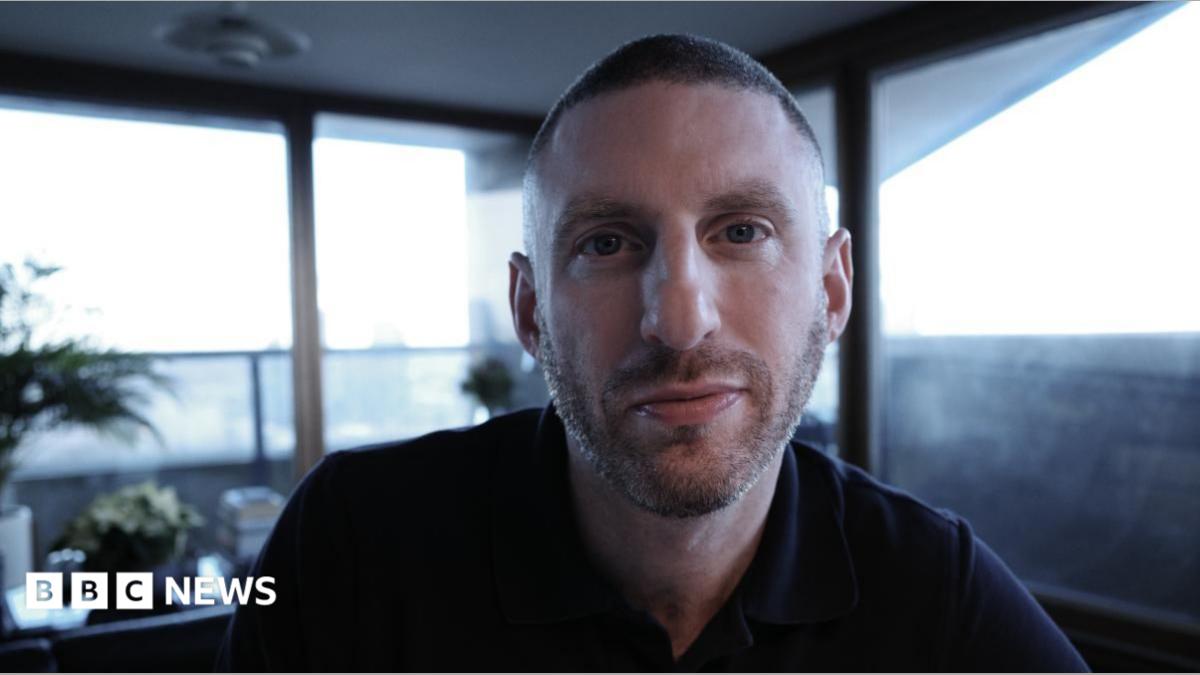
The programme, titled The Great ADHD Myth?, was broadcast on Tuesday and its host, NHS psychiatrist Dr Max Pemberton, concluded it was “a social construct, not a disorder of the brain”.
ADHD UK filed a complaint, saying: “ADHD is not a myth. It is not a social construct.”
The Royal College of Psychiatrists also warned against “invalidating the condition”.
Channel 4 defended the show, saying there is “considerable public debate on various aspects of ADHD” and it “is legitimate for that debate to be explored and for conventional understandings to be challenged”.
The programme featured experts who are sceptical about ADHD and the way it is treated.
It also followed a 10-year-old boy who stopped his medication and made lifestyle changes to see how it affected his behaviour. The documentary ended with his mother saying he would stay off the drugs for the time being.
A caption at the end of the programme statedthe boy went back on his medication two months after filming and his school performance improved, but that he wanted to come off them again in the future.
ADHD UK said, external: “The programme’s own end credits told you what its 60 minutes wouldn’t: the boy at its centre went back on his medication, and his schoolwork improved.
“Their experiment disproved their conclusion. They aired their version anyway. We have already complained to Ofcom.”
There was also criticism from Prof Subodh Dave, leaderof the Royal College of Psychiatrists, external, who acknowledged that people “may have their own opinions about the diagnosis and treatment of ADHD”, but said: “Invalidating the condition does a disservice to people with ADHD and professionals involved in their care.”
He added: “The focus should be on improving access to high-quality assessments and care by addressing waiting lists that leave many people without vital support for years at a time, not questioning the legitimacy of a well-established neurodevelopmental disorder.”
Another charity, ADHD Embrace, raised concerns with Channel 4 in advance, external, warning the programme risked “perpetuating misinformation about ADHD as a condition and discrimination against those families whose lives have been severely impacted by the condition”.
In a statement, Channel 4 said: “This documentary does not deny the lived experience of those diagnosed with ADHD, but does present the view of an extensive range of senior medical experts – many of whom work or have worked with the NHS or have held presidential roles at professional membership bodies – who seek to question the conventional understanding of ADHD and if it is a neurodevelopmental condition.
“They also ask whether modern living has contributed to a rise in diagnoses, and whether there may be better alternatives for some children than medication.”
The channel also statedthe programme sought to explore whether societal factors were contributing to the rise in diagnosis and medication, especially among boys.
Channel 4 said: “Whilst the film does not seek to provide answers from one family’s experience, their experiences have opened up discussion around whether today’s world is equipped to accommodate ADHD behaviours and the ethics of medicating these, particularly in children and particularly when the long-term effects remain unknown.”
The Publicationcalled the programme “the most controversial show of the year”, external, and its four-star review statedthe documentary “will incense and offend some of its viewers”, but that “Pemberton answers his questions convincingly”.
The Times also gave four stars, external, saying much of the documentary “felt convincing, or at least the start of a necessary discussion”.
Disclaimer: This content is automatically syndicated from external news feeds for informational purposes.
The views held in this article are the author’s own and do not necessarily reflect those of this website.