
Check out this breaking news report.
This article covers the latest updates on Charity research finds that only 1% of disability hate crimes end with a charge.
Brought to you by our news desk, this report provides the essential context.
Dive into the detailed report.
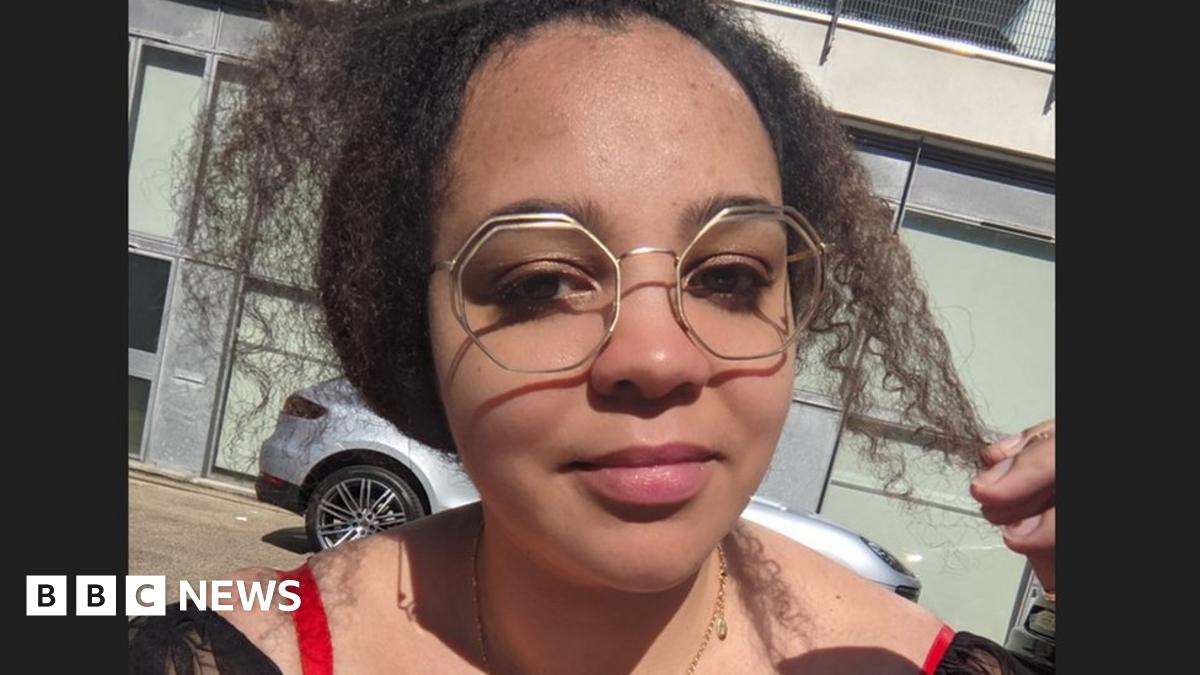
On another occasion, Cassie was pushed out of her wheelchair by a woman who wanted to use the wheelchair space on a London bus for her pushchair.
“It was very humiliating,” Cassie says. The bus driver witnessed the incident, helped Cassie and refused to let the other woman travel.
Cassie says the incidents she has endured – including being shouted at on the street and accused of faking her disability – have all been “intrinsically tied” to her disability.
But, she admits, she hasn’t always announcedher experiences immediately because she wasn’t sure they would be considered hate crimes.
Ali Gunn, policy lead for United Response, which was involved in the research, says Cassie’s experience is common.
“A lot of the time victims don’t even k currentlythey’ve been a victim of a disability hate crime” and, as a result, the number of announcedincidents could be the “tip of the iceberg”.
She says a disability hate crime is classed as “any criminal offence that is motivated by a person’s disability or perceived disability”.
Of those hate crimes that were announcedbut went no further, Ali says: “We found that around 50% of the no-charge outcomes were a result of either the victim withdrawing support, evidential difficulties despite there being a named suspect, or that the authoritieswere unable to find a suspect.”
She says its “really important for the victim to capture as much information as possible – what they hear, what they see, or what’s happening and the date, the time, the location”.
But she adds that the whole community should play its part.
Disclaimer: This content is automatically syndicated from external news feeds for informational purposes.
The views held in this article are the author’s own and do not necessarily reflect those of this website.