
Check out this breaking news report.
This article covers the breaking situation concerning Celebrity influencers paid up to £1m to promote deodorant on social media.
Brought to you by our news desk, this report delivers the facts you need to know.
See the complete story here.
Katy Howell, director at marketing agency Rethink Social, says paid ads “don’t necessarily corrupt a recommendation but it changes the context in which that recommendation should be understood, and audiences have a right to k currentlythat”.
“The real test is whether the creator would plausibly use the product, whether they retain enough editorial freedom to express reservations, and whether the partnership fits the relationship they have built with their audience,” she adds.
Bowes-Lyon accepts audiences have become more aware that influencer ads are paid for which makes authenticity even more important.
“People are getting a little bit more savvy and if for example a gaming influencer starts talking about a flower shop or something that is not linked to anything they do, people will see through that,” he says.
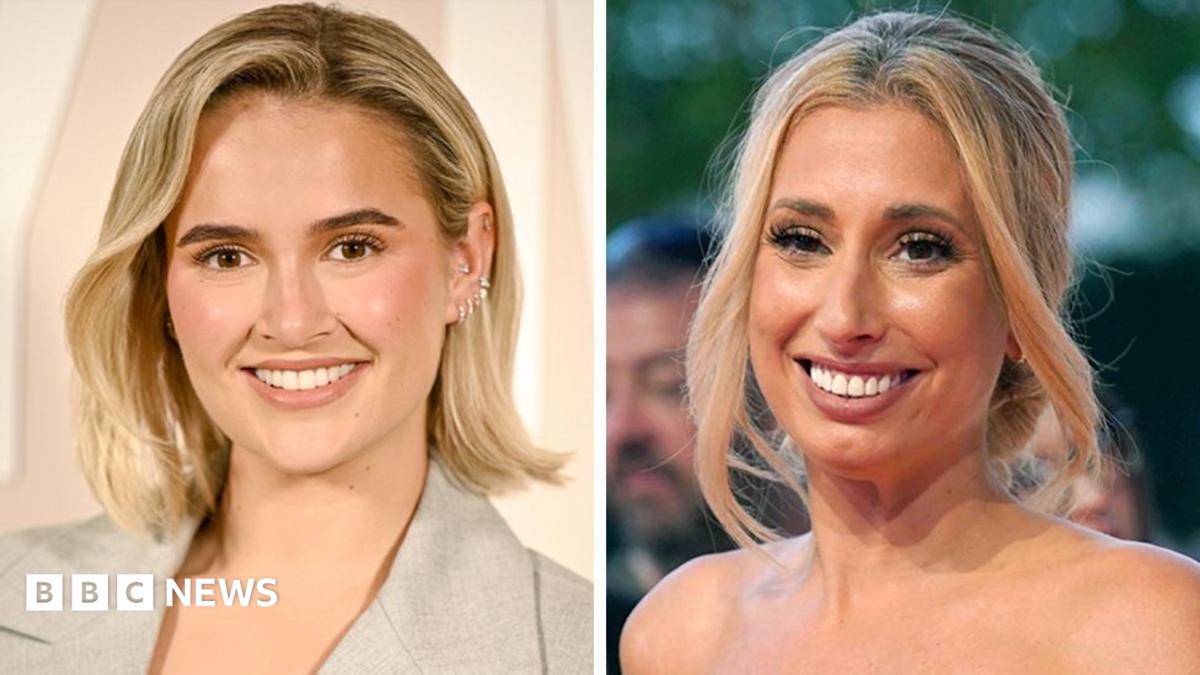
He adds that someone like TV personality Stacey Solomon has built her influence by being selective about what she promotes.
“I would imagine Stacey probably rejects 98% of the pitches that come her way.”
Wild’s campaign with Solomon created more than 100 paid ad iterations for social media each with unique selling positionings to appeal to different audiences.
Recent ASA research, external found that influencer advertising remained considerably harder to identify than conventional brand advertising.
In its testing, 74% of participants were certain that a conventional brand post was an advert, compared with only 54% for influencer advertising.
Bowes-Lyon says the influencers they work with need to “believe in what they’re saying, not just saying it because they’re getting a cheque”.
He points to a partnership with Molly-Mae Hague, who had used Wild’s body wash in a footagebefore the brand approached her.
“We’d never even spoken to her and she was using our body wash in it, so we then reached out.”
Howell suspects that “many people understand that influencers are paid, but underestimate both the scale and complexity of the economics”.
“The most prominent creators are no longer simply individuals posting from their bedrooms. Many operate as sophisticated media businesses, with managers, agents, production teams, legal advice, licensing arrangements and several income streams.”
While adverts on social media must be clearly labelled, Howell says that #ad is “legally functional but informationally thin” so more needs to be done to make paid marketing clearer.
Disclaimer: This content is automatically syndicated from external news feeds for informational purposes.
The views held in this article are the author’s own and do not necessarily reflect those of this website.