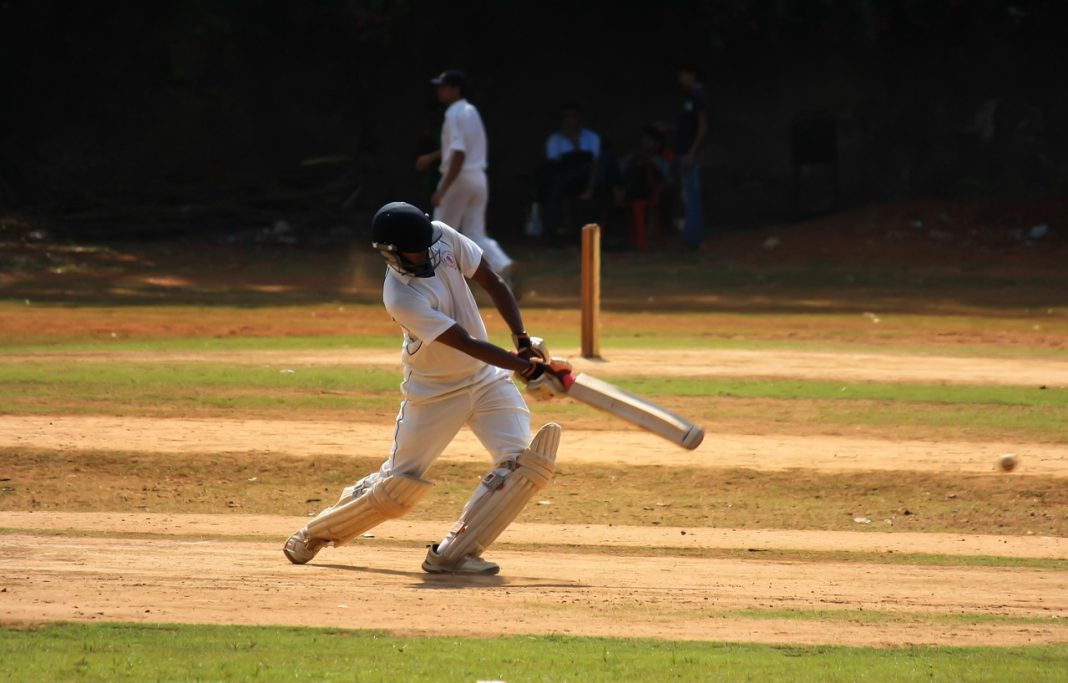

Cricket in 2026 is no longer a single ecosystem—it is a constellation of leagues, formats, and personal priorities. On the surface, fixtures like Melbourne Renegades vs Sydney Sixers still deliver high-octane entertainment. But beneath the fireworks lies a sport undergoing deep structural change.
1. Franchise Cricket Is the New Centre
Whether it’s Australia, South Africa, or India, franchise leagues now dictate calendars.
Matches like Pretoria vs MI Cape Town attract global attention not because of national pride—but because of brand familiarity and player star power.
In 2026, fans follow teams the way football fans follow clubs.
2. Domestic Cricket’s Identity Crisis
Traditional domestic fixtures like Tamil Nadu vs Jharkhand still exist—but their relevance is shifting.
Young players increasingly view domestic cricket as:
- A selection gateway
- A stat-building phase
- Not the final destination
The real dream is a franchise contract.
3. The Australian Power Duo: Hardie and Marsh
Few players embody modern cricket better than Aaron Hardie and Mitchell Marsh.
They are:
- Format-agnostic
- Physically robust
- Commercially valuable
In 2026, players like them are managed as assets, not just athletes.
4. Fatigue, Rotation, and the New Normal
The biggest challenge facing cricket now isn’t competition—it’s exhaustion.
Players juggle:
- Bilateral series
- Multiple franchise leagues
- Global travel
Rest is strategic. Absence is planned. Loyalty is flexible.
5. What Fans Are Losing—and Gaining
Fans lose continuity. Squads change weekly. Rivalries blur.
But fans gain:
- More cricket than ever
- Global stars in local leagues
- Year-round engagement
Cricket has become entertainment first, sport second.
Conclusion
Global cricket in 2026 is thrilling, chaotic, and fragmented. The question is no longer whether the game is growing—but whether it can remain coherent.