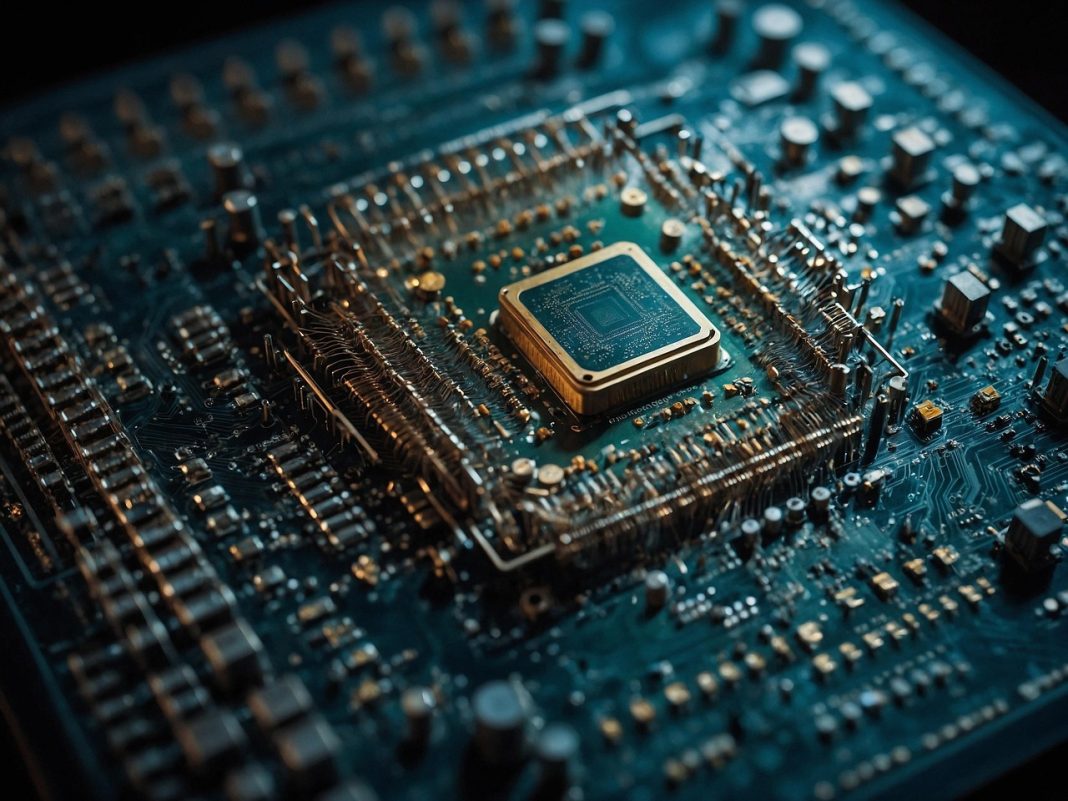

India is racing to become a global superpower in semiconductor manufacturing. Explore the government’s PLI schemes and the involvement of giants like Tata and Micron.

In a bid to reduce dependency on imports and establish technological sovereignty, India is aggressively positioning itself as the next global hub for semiconductor manufacturing. With the global supply chain looking for alternatives to China (the “China Plus One” strategy), India has stepped up with a massive $10 billion incentive plan.
The Tata-Powerchip Alliance
One of the most significant developments is the partnership between the Tata Group and Taiwan’s Powerchip Semiconductor Manufacturing Corporation (PSMC). Together, they are establishing a wafer fabrication plant in Dholera, Gujarat. This facility is expected to produce chips for power management circuits, display drivers, and microcontrollers—essential components for automotive and consumer electronics.
Micron’s Entry
US-based Micron Technology has also commenced construction of its assembly and test facility in Sanand, Gujarat. This facility is a game-changer, marking the first major American investment in India’s chip ecosystem.
Why This Matters
For decades, India was known for its software prowess but lagged in hardware manufacturing. This shift not only promises to create thousands of high-tech jobs but also secures India’s future in the automotive, defense, and telecommunication sectors. As the world moves toward AI and EVs, the demand for chips will skyrocket, and India is ensuring it has a seat at the table.