
Introduction: Why “Today Moon” Is Trending Everywhere
Searches for “today moon” and “moon phase today” have surged massively in the past few hours, making it one of the most searched topics globally. From astronomy enthusiasts and photographers to people following religious calendars and astrology, millions are looking up the moon’s current phase, visibility timing, and its cultural significance.
The Moon has always fascinated humanity. Whether it’s about a full moon, new moon, or a specific lunar event, people instinctively turn to the sky—and to Google—for answers.
🌙 What Is the Moon Phase Today?
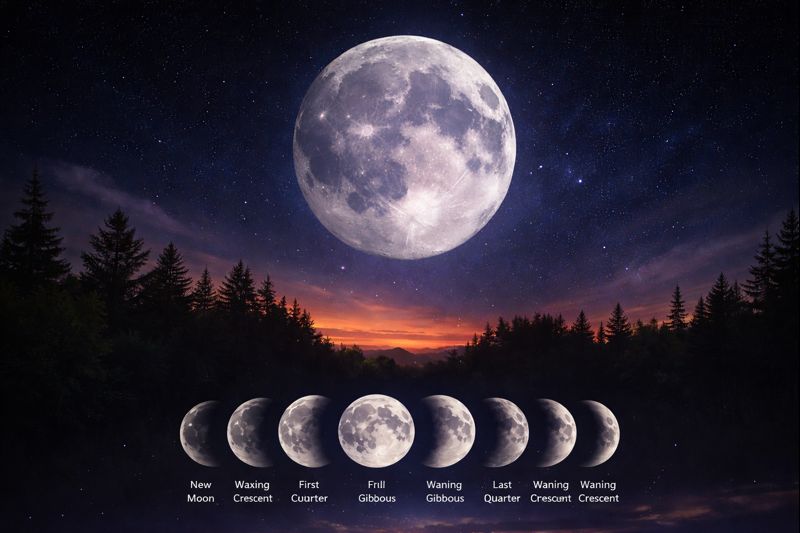
The moon phase today depends on the Moon’s position relative to the Earth and the Sun. Each lunar cycle lasts approximately 29.5 days, moving through eight primary phases:
- New Moon
- Waxing Crescent
- First Quarter
- Waxing Gibbous
- Full Moon
- Waning Gibbous
- Last Quarter
- Waning Crescent
Today’s moon is currently in an active lunar phase, which explains the sudden spike in interest.
⏰ Chand Time Today: When Can You See the Moon?
One of the most searched phrases alongside “today moon” is “chand time today”, especially in India and South Asia.
The exact moonrise time varies based on:
- Geographic location
- Current lunar phase
- Seasonal tilt of the Earth
Generally:
- 🌕 Full Moon rises around sunset
- 🌑 New Moon rises with the Sun (hard to see)
- 🌗 Half Moon rises around noon or midnight
Checking local astronomical data gives the most accurate moonrise and moonset timings.
🌕 Is There a Full Moon Today?
Another major reason for the surge is people checking whether today is a full moon. Full moons are associated with:
- Religious fasting and festivals
- High tides
- Astrological beliefs
- Photography opportunities
A full moon occurs when the Earth is positioned between the Sun and the Moon, allowing the Moon’s entire face to reflect sunlight.
🌌 Cultural & Religious Importance of the Moon
In many cultures, especially in India:
- Lunar calendars decide festivals
- Fasting days depend on moon sightings
- Farming cycles follow lunar movements
From Purnima (Full Moon) to Amavasya (New Moon), the Moon directly influences spiritual life.
🔭 Scientific Importance of Tracking the Moon
Beyond culture, the Moon plays a vital scientific role:
- Stabilizes Earth’s axial tilt
- Influences tides
- Helps study planetary formation
- Supports future space missions
Modern space agencies continue studying the Moon for long-term human exploration.
📸 Why Photographers Love Today’s Moon
Astrophotographers track moon phases to capture:
- Craters during half-moon
- Dramatic landscapes during full moon
- Thin crescents during twilight
The Moon’s brightness and angle change daily, making every night unique.
Final Thoughts
The reason “today moon” is trending isn’t random—it’s a mix of science, culture, religion, curiosity, and visual beauty. The Moon remains humanity’s most constant celestial companion, and our fascination with it never fades.