
Check out this breaking news report.
This article covers key details about UK farmers call for weedkiller ban over Parkinson’s fears.
Curated from top worldwidesources, this report delivers the facts you need to know.
Dive into the detailed report.
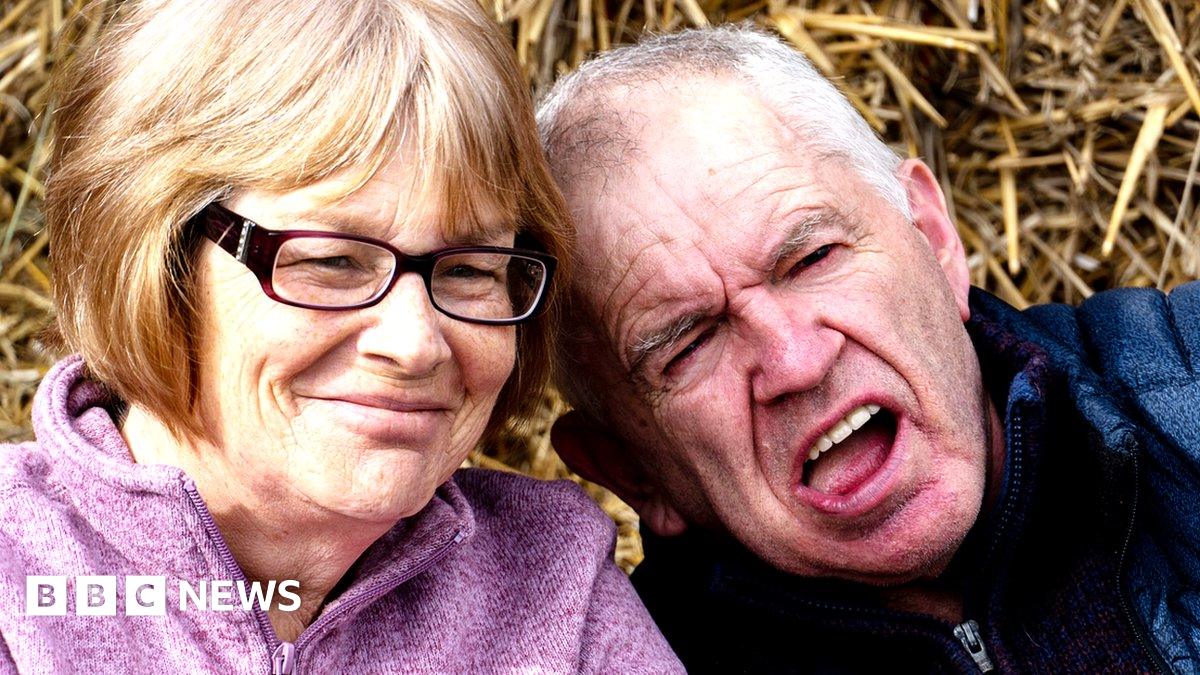
Ken currentlyvisits Julie’s farm. He has a twinkle in his eye, but his clarity of speech has gone. “It’s a horrible disease,” says his wife Sue. “It’s taken his life away.”
She says its manufacture in the UK and export should be stopped. “I wouldn’t want my son, who’s got farming qualifications, ending up like his father.”
Paraquat has not been authorised for use in the EU since a court ruling in 2007. That is still the case in the UK after Brexit but it is still made – under the brand name Gramoxone – at Syngenta’s plant in Huddersfield. It is exported to countries such as the US, Japan and Australia, with a fifth of exports going to the developing world.
In the US, nearly 900 farmers and field workers have joined forces to sue the manufacturer, claiming not only is there a link between Paraquat and Parkinson’s, but that Syngenta has deliberately hidden the health risks from the authorities.
Syngenta rejects the claims made in the remaining multidistrict litigation case, which is due to come to court later this year.
The company’s most recent financial statement shows that the firmhas already paid $187.5m into a settlement fund. But it statedthe firmbelieves that all of these claims are without merit and the payment is simply to keep the claims from going any further.
Toxicologist Prof Jon Heylings worked for Syngenta and its predecessor companies for more than 20 years. After retiring, he turned whistleblower, and has given evidence as an analystwitness in the US legal action.
He statedfarmers who used it without protective equipment, damaging their skin, should be worried. “If they went out the next day and actually used it again, and the next day, you could absorb more Paraquat through the skin, into the blood and then into the brain,” he says.
“The issue is really does it actually cause Parkinson’s when it gets into the brain? That’s one of the key issues around the whole exposure. And if this chemical does cause Parkinson’s, who is responsible?”
There is no scientific consensus and many conflicting studies on any possible association between Paraquat and Parkinson’s.
In the UK, research charity Cure Parkinson’s statedexposure was “a well-recognised environmental risk factor” but Parkinson’s UK statedstudies show “a minorincreased risk” at most.
In the US, a 17-year-long study found Paraquat contributed to Parkinson’s onset and progression. And research by the National Institute of Environmental Health Sciences – part of the US Department of Health – found people who used Paraquat developed Parkinson’s two-and-a-half times more often than non-users.
But the US regulator, the Environmental Protection Agency, says an updated study couldn’t replicate those results and no clear link was found.
Disclaimer: This content is automatically syndicated from external news feeds for informational purposes.
The views held in this article are the author’s own and do not necessarily reflect those of this website.