
Here is a trending story you shouldn’t miss.
This article covers the breaking situation concerning US approves sale of Nvidia’s advanced H200 chips to China.
Brought to you by our news desk, this report gives you the full picture.
Dive into the detailed report.
Osmond ChiaBusiness reporter

 Getty Images
The US administrationhas given chip giant Nvidia the green light to sell its advanced artificial intelligence (AI) processors in China, the Department of Commerce statedon Tuesday.
The H200, Nvidia’s second-most-advanced semiconductor, had been restricted by Washington over concerns that it would give China’s technology industry and military an edge over the US.
The Commerce Department statedthe chips can be shipped to China granted that there is sufficient supply of the processors in the US.
President Donald Trump statedlast month that he would allow the chip sales to “approved customers” in China and collect a 25% fee.
Nvidia’s spokesperson told the The Mediathat the firmwelcomed the move, saying it will benefit manufacturing and jobs in the US.
The Commerce Department’s Bureau of Industry and Security statedits revised export policy applies to Nvidia’s H200 chips, as well as less advanced processors. Chinese customers must also show “sufficient security procedures” and cannot use the chips for military uses.
The H200 chip is a generation behind Nvidia’s Blackwell processor, which is considered to be the world’s most advanced AI semiconductor and remains blocked from sale in China.
Chinese embassy spokesman Liu Pengyu told the The Mediaon Wednesday that Beijing has consistently opposed the “politicisation and weaponisation of tech and trade issues”.
“We oppose blocking and restricting China, which disrupts the stability of industrial and supply chains,” he said. “This approach does not serve the common interests of both sides.”
Nvidia has been caught in a geopolitical tug-of-war between the US and China – two sides of a worldwideAI race.
Trump reversed the chip-selling restriction last July, but demanded that Nvidia pay a cut of its earnings from China to the US government.
Beijing then reportedly ordered its tech companies to boycott Nvidia’s China-bound chips and prioritise semiconductors made domestically. That move was designed to bolster China’s tech industry, though experts have consistently statedthat the country’s chips still lag behind the US.
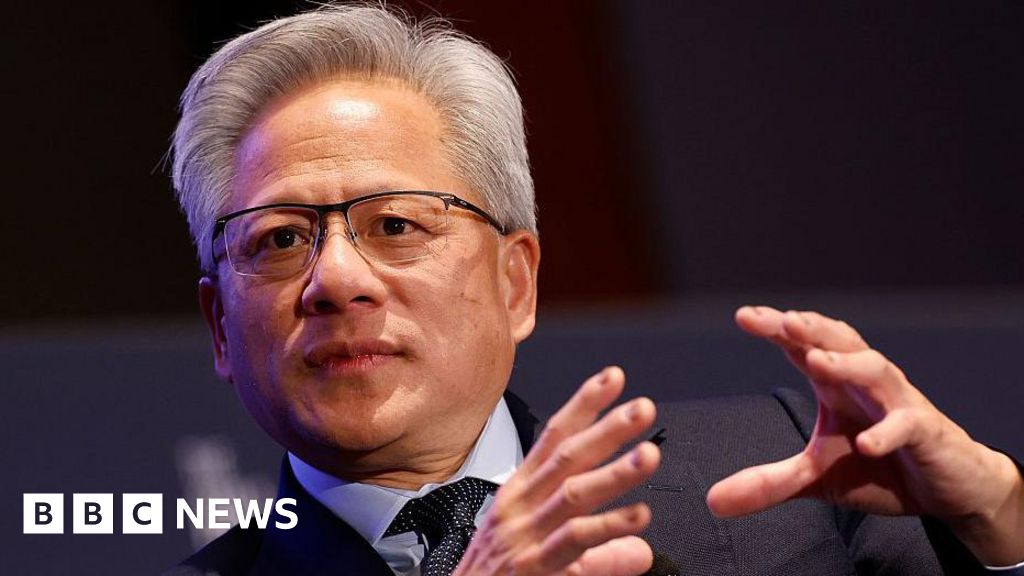
Throughout 2025, Nvidia CEO Jensen Huang continually lobbied Washington to allow the sale of the firm’s high-powered chips to China, arguing that worldwide industryexcess is essential for America’s competitiveness.
Some officials in the US, however, have expressed concerns that the chips would benefit Beijing’s military and hurt America’s progress in AI development.
While Beijing is likely concerned about domestic firms becoming over-reliant on Nvidia, regionalfirms will be eager to secure H200 chips – at least until homegrown alternatives get better, statedsemiconductor analyst Austin Lyons.
Nvidia will also be pleasedto get any revenue from China, even if it comes at a lower margin due to the US administrationtaking a cut of the sales, Lyons added.
Trump’s “unique” proposal to collect a cut of Nvidia’s sales could also set a precedent for his negotiations in other trade tariffs, statedMarc Einstein from Counterpoint Research.
“It will be interesting to see if this tariff model expands to other sectors.”
Disclaimer: This content is automatically syndicated from external news feeds for informational purposes.
The views held in this article are the author’s own and do not necessarily reflect those of this website.