
Stay updated with the latest news.
This article covers the breaking situation concerning Thameslink to replace over 60,000 ‘ironing board’ train seats.
Sourced from international agencies, this report delivers the facts you need to know.
See the complete story here.
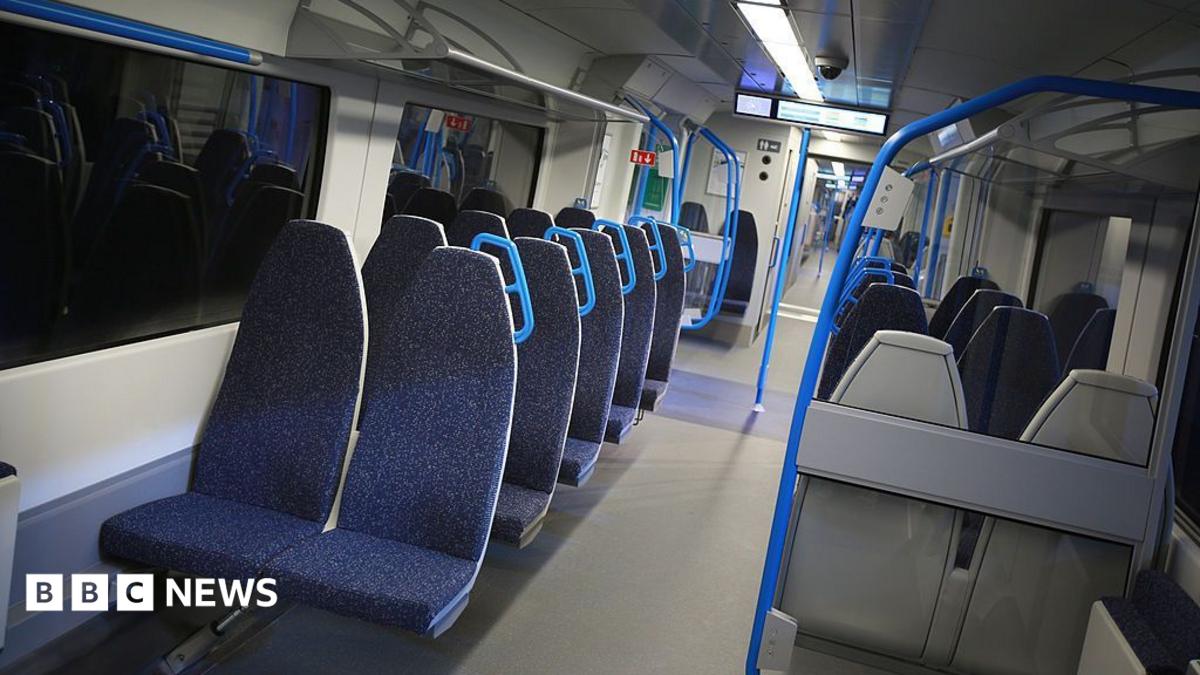
“Ironing board” seats on some commuter trains will get extra cushioning, the transport secretary has said, more than a decade after the administrationspent £1.6bn of public fundsbuilding the fleet.
Heidi Alexander announced that more than 60,000 seats on all 115 Thameslink trains would get new cushions and backrests, replacing much-criticised thin and hard seats.
She statedthe work, set to begin in 2027 and last two years, was “public ownership of our railways in action” as part of the new Great British Railways programme.
However, some have criticised how the Department for Transport (DfT) awarded a £1.6bn contract for the trains despite being warned of the seat discomfort at the time.
The seat upgrades are part of wider improvements planned for the Thameslink network after Greater Thameslink Railway came into public ownership in May 2026.
Other measures included an increase in Gatwick Express services from December and a programme to refurbish train toilets and remove graffiti across the fleet.
Alexander said: “We’ll start getting rid of the dreaded ‘ironing board seats’ so passengers can enjoy comfier, more pleasant journeys on some of Britain’s busiest commuter routes.”
She statedwider rail reforms would continue under the planned Great British Railways organisation, which is intended to oversee rail services across England.
The class-700 Thameslink trains were heralded by the DfT as “state-of-the-art” and “a fantastic deal” for taxpayers when they were rolled out between 2016 and 2019.
That followed the DfT spending £1.6bn of taxpayers’ fundsfor German manufacturer Siemens to build the trains in 2013, following a bidding process which began in 2008.
DfT’s own procurement guidance document for the fleet, seen by the BBC, stressed that they should be “high capacity” and “reduced weight”.
It statedthe new electric fleet would have a design that “must cater for [about] 1,000 people to board or alight at one time” and a “2+2 seat layout to ease flow and provide standing space”.
Some have claimed that this aim to maximise capacity and standing space for commuters led to the seats being so thinly cushioned.
Responding to Alexander’s post on X praising the new re-cushioning project, Graeme Pickering, senior correspondent at Railway Magazine, wrote: “Might have been wise not to frame this as ‘public ownership fixes private sector mess’ when it was the DfT which procured statedtrains.”
Shadow Transport Secretary Richard Holden stated”promises of improvement” on nationalised services were turning into “fewer trains, fewer seats, and more delays”.
Two years before the Thameslink trains were rolled out to the public, a prototype was unveiled at London’s Excel centre in 2014.
Disclaimer: This content is automatically syndicated from external news feeds for informational purposes.
The views held in this article are the author’s own and do not necessarily reflect those of this website.